
For many women, burnout develops gradually. Between work, family responsibilities, relationships and the pressures of everyday life, it can become all too easy to put everyone else’s needs before your own. Eventually, the constant demands can take their toll, leaving you feeling depleted, disconnected and struggling to find the energy to keep going. Burnout can leave you feeling physically exhausted, emotionally drained and mentally overwhelmed. You may find yourself struggling to switch off, feeling constantly tired, losing motivation or simply not feeling like yourself anymore.
While recovering from burnout requires time, rest and often changes to the circumstances contributing to it, exploring complementary therapies such as Reiki may offer a gentle way to support your emotional wellbeing and relaxation.
What is Reiki?
Reiki is a gentle Japanese complementary therapy that works with the concept of universal life energy. The word Reiki comes from two Japanese words: Rei, meaning universal, and Ki, meaning life energy.
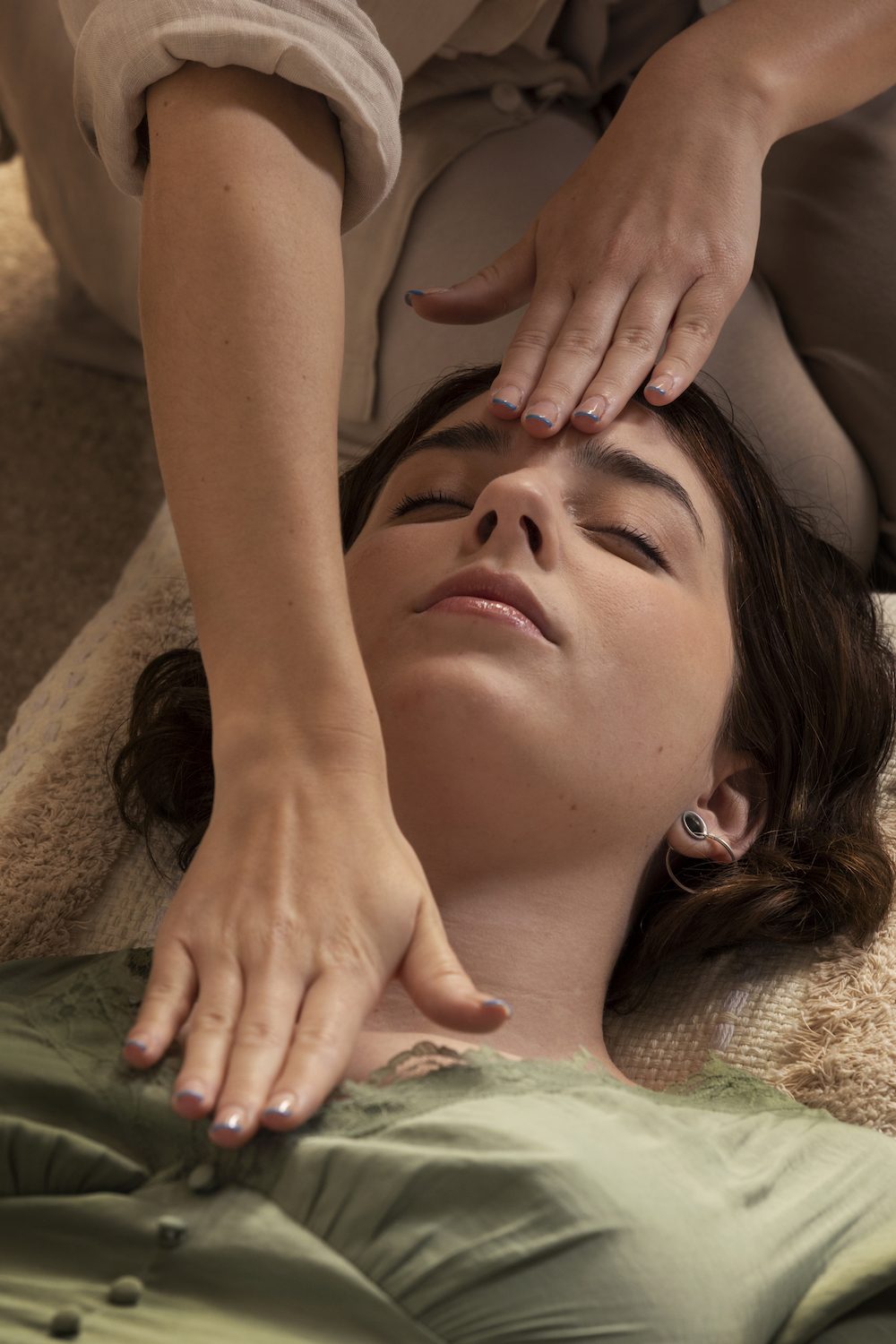
During a Reiki treatment, a practitioner uses gentle hand placements, either lightly touching the body or holding their hands just above it to direct and move energy where it is needed. It is a deeply relaxing experience to help bring about calm and restoration and can make a profound difference to how you feel even after one session. Reiki can also be sent from a distance rather than in person meaning the client can choose to be in their own home environment if prefered or if travel is a limitation. For someone experiencing burnout, having this dedicated time to pause, relax and focus on their own wellbeing can be particularly valuable.
How does Reiki Support Burnout Recovery?
1. Encourages Deep Relaxation
One of the most commonly reported benefits of Reiki is the feeling of relaxation during and after a treatment. When you are experiencing burnout, your mind may feel as though it never switches off. You might constantly be thinking about what needs doing, worrying about tomorrow or feeling unable to properly rest.
A Reiki session provides an opportunity to step away from those demands. Having time in a quiet, peaceful environment may help ease tension, settle a busy mind and encourage a sense of calm.
2. Helps You Manage Feelings of Stress and Overwhelm
Prolonged stress can leave you feeling as though you are constantly running on empty. You may find yourself becoming overwhelmed by situations you would previously have managed quite comfortably. Even small everyday tasks can begin to feel like enormous challenges.
Reiki can provide a dedicated space for relaxation and self-care. Taking time to slow down and allow yourself to rest may help you feel calmer and more able to approach everyday challenges.
3. Supports Emotional Wellbeing
Burnout isn’t just about feeling physically tired. It can also affect how you feel emotionally. You might experience irritability, low mood, anxiety, emotional exhaustion or a sense of disconnection from yourself and the people around you.
A Reiki treatment offers a gentle, nurturing environment where you can take time for yourself without expectations or demands. Some people find this experience emotionally comforting and appreciate having the opportunity to simply be, rather than constantly having to do.
4. Encourage Better Sleep
When your mind is constantly busy, getting a good night’s sleep can become difficult. You might find yourself lying awake thinking about everything you need to do, waking during the night or feeling exhausted even after sleeping.
Relaxation practices, including Reiki, may help some people unwind and prepare for rest. Establishing a calming self-care routine can also support healthier sleep habits.
Good-quality sleep is an important part of allowing your body and mind to recover from prolonged stress.
5. Encourages You to Reconnect With Yourself
One of the less recognised effects of burnout is losing touch with your own needs. You may become so accustomed to looking after everyone else that you no longer recognise when you need a break. Your own feelings, interests and priorities can gradually take a back seat.
Reiki provides an opportunity to pause and turn your attention inwards. It can encourage you to become more mindful of how you are feeling and reflect on what you need to feel supported and balanced again.
Sometimes, simply giving yourself permission to stop is the beginning of reconnecting with yourself.
6. Encourages Self-Care and Healthy Boundaries
For many women, burnout is closely connected to feeling responsible for everything and everyone. You may struggle to say no, feel guilty about taking time for yourself or believe that you should always be available to others.
Making regular time for Reiki can become part of a wider commitment to prioritising your wellbeing. It can also be a gentle reminder that looking after yourself isn’t selfish. Recognising your limits, establishing healthier boundaries and allowing yourself time to rest are all important elements of sustainable wellbeing.
7. Promotes a Greater Sense of Calm and Balance
Reiki is often incorporated into holistic wellbeing routines because of its relaxing and nurturing nature.
While it cannot remove the underlying causes of burnout, it may offer a supportive experience that helps you create more opportunities for calm and reflection, supporting you in recovery. For some people, this can be an important part of gradually rebuilding a sense of balance and making positive changes to their lifestyle.
Combining Reiki With Other Holistic Therapies
Everyone experiences burnout differently, which is why recovery needs to reflect your individual circumstances and needs. Reiki can be incorporated alongside other holistic approaches to wellbeing, including:
- Hypnotherapy: Which can help with relaxation, stress management and exploring unhelpful thought patterns.
- Life Coaching: Can help you recognise what is contributing to your burnout, establish boundaries and identify positive changes.
- Mindfulness and Meditation: Encourage you to slow down, become more aware of the present moment and create opportunities for mental rest.
- Time in Nature: Walking outdoors and connecting with nature can provide valuable opportunities to unwind and recharge.
- Rest and Self-Care: Prioritising sleep, taking breaks and making time for activities you enjoy are essential parts of looking after yourself.
A combination of approaches may help you develop a more sustainable relationship with your physical, mental and emotional wellbeing.
How Long Does It Take to Recover From Burnout?
There is no fixed timescale for recovering from burnout. It depends on the individual, the circumstances that contributed to it and the support available.
It is important not to put pressure on yourself to feel better overnight. Recovery is often a gradual process that involves recognising what has brought you to this point and making changes that allow you to move forward.
Reiki can offer a relaxing addition to your recovery journey, but it should not be considered a standalone treatment for burnout. Addressing the underlying causes, making practical lifestyle changes and seeking appropriate medical or psychological support where needed are equally important.
Give Yourself Permission to Slow Down
If you are experiencing burnout, you may have become so used to putting everyone else first that you have forgotten what it feels like to put yourself first. You don’t have to keep pushing through exhaustion. You don’t have to say yes to everything. And you certainly don’t have to feel guilty about needing time for yourself.
Reiki offers an opportunity to pause, relax and receive some much-needed care and attention. Sometimes, the first step towards feeling better isn’t doing more. It’s allowing yourself to do less.
Remember, you deserve the same kindness, patience and compassion that you so freely give to everyone else.
Discover Holistic Wellbeing With Alignment Wellbeing
At Alignment Wellbeing, looking after your emotional and mental wellbeing is an essential part of living a healthier, more balanced life.
Here you will find a compassionate, supportive space where women can explore their individual wellbeing needs through a range of holistic therapies and personalised support.
Whether you are feeling overwhelmed, struggling with stress, experiencing burnout or simply wanting to reconnect with yourself, taking that first step towards prioritising your wellbeing can make a meaningful difference.
You deserve to feel more like you again.
Discover how Alignment Wellbeing can support you on your journey towards greater balance, confidence and emotional wellbeing.
Leave a Reply