
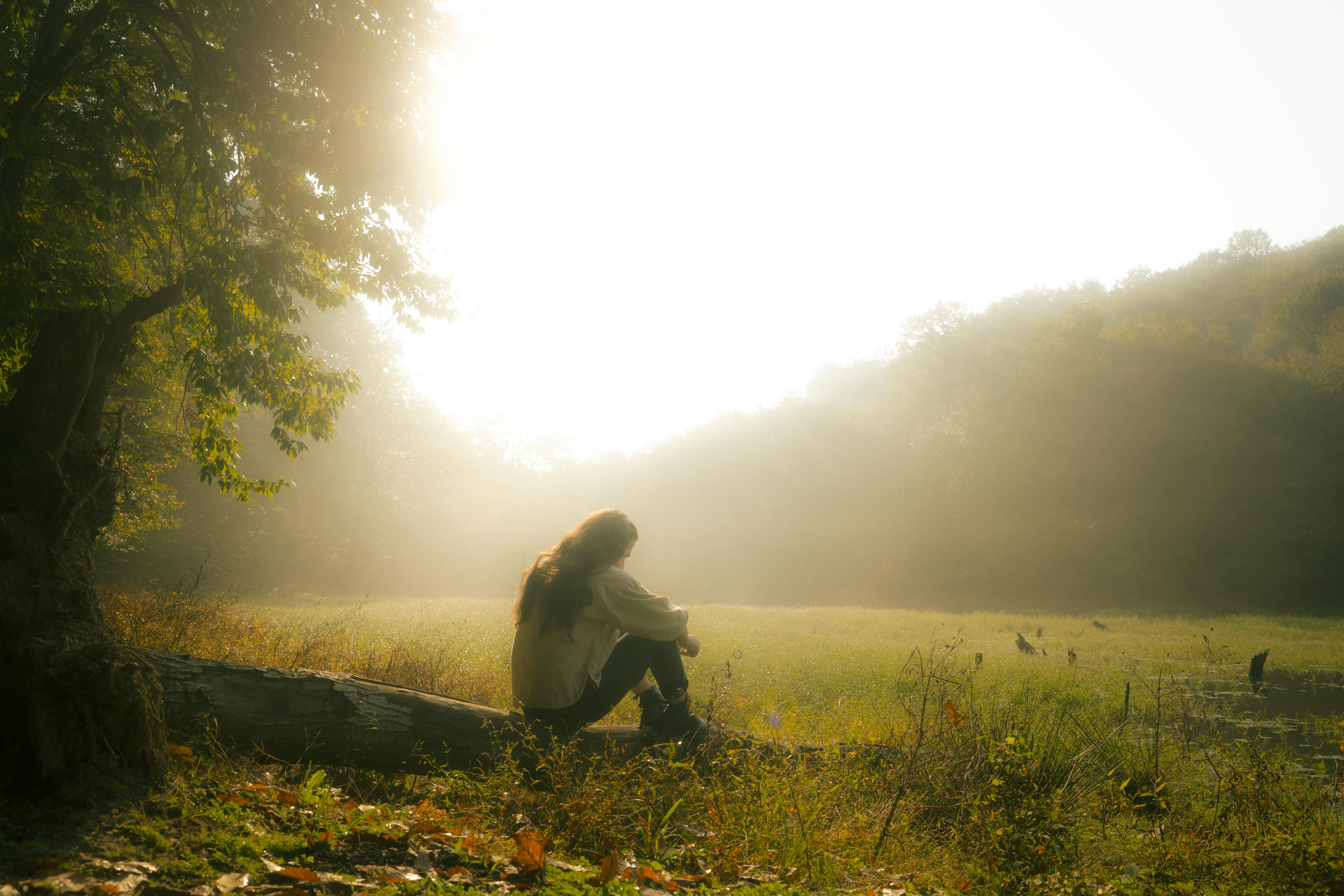
In a world that celebrates and promotes constant connection, solitude can often be misunderstood. Many people confuse it with loneliness, isolation, or sadness. But solitude is none of those things.
Solitude is the deliberate act of choosing to spend time being alone without feeling incomplete. It is a healing space where the mind slows down, where identity becomes clearer, and where life and what matters can be heard without the noise of endless distraction.
Discovering Transformation
Our busy modern lives rarely allow time for silence. Notifications interrupt thoughts and conversations blur into timelines, feeds, and endless opinions. We are always available, always reacting, always consuming. In the middle of this relentless movement we can discover that solitude becomes less of a luxury and more of a necessity.
There is something deeply transformative about sitting alone with your own thoughts. At first, it may feel uncomfortable and unfamiliar. Without distractions, unresolved emotions surface. Questions appear. Doubts become audible. But this discomfort is not a weakness in you; it is honesty having a voice. Solitude provides the pause that strips away performance. It removes the audience and reveals the person buried beneath the roles, expectations, and routines.
Turning down the volume
Some of humanity’s greatest ideas were born in solitude. Many Writers, philosophers, scientists, and artists have all long understood the creative power of silence and the quiet grace that this space provides. Solitude allows reflection, and reflection sharpens understanding of the self. When the external world grows quiet, our internal world can begin to speak and offer insight.
Yet solitude is not only for thinkers and creators. It matters for everyone. A person who cannot be alone often becomes dependent on noise to escape themselves. Constant social engagement can become a form of avoidance. Solitude teaches emotional independence. It reminds us that peace does not always come from others; sometimes it begins within.
Step Outside
Nature offers us one of the purest forms of solitude. A walk through a quiet park, the sound of rain against a window, or the stillness of early morning can reconnect people with a slower rhythm of life and what matters. In those moments, time feels less demanding. The mind untangles itself naturally and clarity can begin to unfold.
Solitude is not permanent withdrawal, after all as Humans we are social beings who need connection in our lives be that through friendship, family or community. These connections give life meaning and underpin our sense of belonging. But solitude strengthens those connections rather than weakening them. When people spend time understanding themselves, they bring greater clarity and authenticity into their relationships. They stop seeking others merely to fill emptiness.
Trusting yourself
The fear of solitude is often rooted in the fear of self-confrontation. Silence can sometimes reveal truths we avoid during our busy routines. But growth rarely happens in constant distraction and endless motion. It happens in reflection and stillness. Solitude creates the mental distance needed to examine life honestly: What truly matters? What feels meaningful? What kind of person do I want to become?
In many ways, solitude offers a form of freedom. It frees individuals from the pressure to constantly perform, respond, and compare and instead allows a person to exist without needing validation. In that freedom, confidence quietly grows.
As our modern world continues to move faster solitude will remain a safe sanctuary where the self can find space to breathe again. A place not to fear emptiness, but to discover a quiet sense of completeness.
Leave a Reply